
The Ultimate Guide to Diamonds: Everything You Need to Know
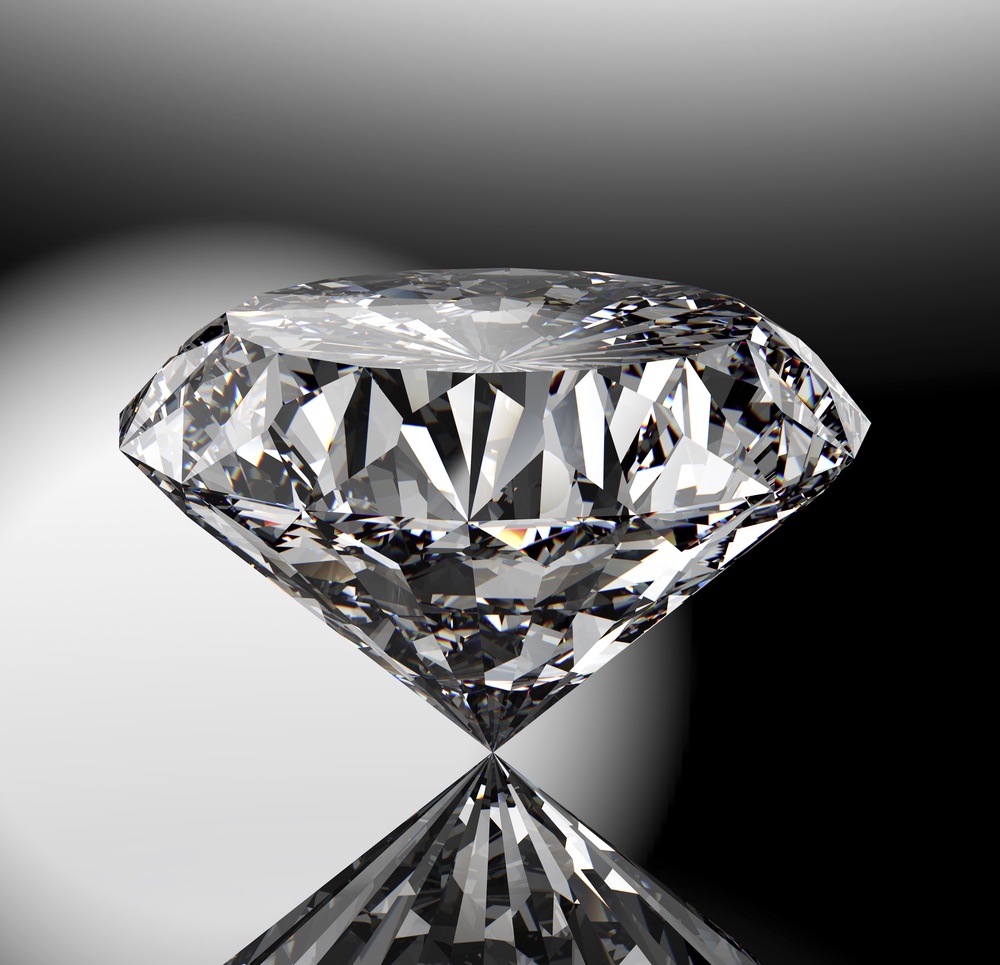
Diamonds are one of the most valuable and sought-after gemstones in the world. Known for their brilliance, hardness, and timeless beauty, diamonds have been symbols of love, luxury, and wealth for centuries. Whether you are buying a diamond for an engagement ring, investment, or personal collection, understanding the essential factors about diamonds is crucial.
The Formation and Composition of Diamonds
Diamonds are formed deep within the Earth's mantle under extreme heat and pressure. Composed entirely of carbon atoms, diamonds have a unique crystal structure that makes them the hardest known natural material. These gemstones take millions to billions of years to form, making them one of the rarest and most precious natural wonders.
The Four Cs of Diamonds
When purchasing a diamond, experts evaluate it based on the Four Cs: Carat, Cut, Color, and Clarity.
1. Carat: Measuring a Diamond's Weight
The carat weight of a diamond refers to its size and mass. One carat is equal to 0.2 grams. Larger diamonds are more valuable due to their rarity, but two diamonds of the same carat weight can have vastly different values depending on their cut, color, and clarity.
2. Cut: The Key to Sparkle and Brilliance
The cut of a diamond determines how well it reflects light. A well-cut diamond will appear more brilliant and fiery, enhancing its overall appeal. The most popular diamond cuts include:
-
Round Brilliant – The most popular and sparkly cut.
-
Princess Cut – A square cut with sharp edges.
-
Cushion Cut – A vintage-inspired cut with rounded corners.
-
Emerald Cut – A rectangular cut with step-like facets.
-
Oval, Marquise, and Pear Cuts – Unique cuts that elongate the finger.
3. Color: Evaluating a 鑽石戒指 's Hue
Diamonds are graded on a color scale from D (colorless) to Z (light yellow or brown). The closer a diamond is to being colorless, the higher its value. Fancy-colored diamonds, such as blue, pink, and yellow diamonds, are highly valuable due to their rarity.
4. Clarity: Assessing Internal and External Flaws
Clarity refers to the imperfections (inclusions) and blemishes in a diamond. The clarity grading scale ranges from Flawless (FL) to Included (I3). The fewer the inclusions, the more valuable the diamond.
Types of Diamonds
There are different types of diamonds available in the market, each with its unique properties and appeal:
1. Natural Diamonds
These are diamonds formed naturally within the Earth over millions of years. They are the most valuable and sought-after diamonds due to their rarity and authenticity.
2. Lab-Grown Diamonds
Lab-created diamonds have the same chemical and physical properties as natural diamonds but are grown in a controlled laboratory environment. They are more affordable and environmentally friendly than mined diamonds.
3. Treated Diamonds
Some diamonds undergo treatments to enhance their appearance, such as laser drilling to remove inclusions or high-temperature treatments to improve color.
4. Fancy Color Diamonds
Rare colored diamonds, such as blue, pink, and green diamonds, are prized for their unique hues and are often more valuable than traditional white diamonds.
How to Buy the Perfect Diamond
Buying a diamond requires careful consideration of various factors. Here are key tips to help you make an informed purchase:
-
Set a Budget – Determine how much you’re willing to spend and prioritize the Four Cs accordingly.
-
Choose the Right Cut – The cut has the most impact on the diamond’s sparkle and brilliance.
-
Opt for a Certified Diamond – Always buy diamonds that come with certification from GIA (Gemological Institute of America) or AGS (American Gem Society).
-
Compare Prices – Research different jewelers and online stores to find the best deal.
-
Understand Diamond Settings – The type of ring setting can enhance the beauty of a diamond. Popular settings include prong, bezel, halo, and pave settings.
Investing in Diamonds
Diamonds can be a solid investment due to their rarity and lasting value. However, before investing, consider:
-
Market Trends – Understand the demand and pricing trends in the diamond industry.
-
Certified and High-Quality Diamonds – Only invest in diamonds with high clarity, cut, and certification.
-
Storage and Insurance – Protect your investment by ensuring proper storage and insurance coverage.
Famous Diamonds in History
Throughout history, several diamonds have gained worldwide recognition for their size, beauty, and mysterious origins. Some of the most famous diamonds include:
-
The Hope Diamond – A rare blue diamond with a history of legends and curses.
-
The Cullinan Diamond – The largest rough diamond ever discovered, cut into multiple pieces for British crown jewels.
-
The Koh-i-Noor Diamond – A legendary diamond with a controversial history, now part of the British Crown Jewels.
-
The Pink Star Diamond – One of the most expensive pink diamonds ever sold at auction.
Caring for Your Diamond
To maintain a diamond’s beauty and brilliance, proper care is essential:
-
Regular Cleaning – Use a gentle cleaning solution or have it professionally cleaned.
-
Safe Storage – Store diamonds separately to avoid scratches.
-
Avoid Harsh Chemicals – Remove diamond jewelry when using strong detergents or chemicals.
-
Routine Inspections – Have your diamond jewelry checked by a professional jeweler to ensure prongs and settings remain secure.
Conclusion
Diamonds are more than just stunning gemstones; they are symbols of elegance, love, and wealth. Whether purchasing a diamond for an engagement ring, investment, or collection, understanding the Four Cs, different types of diamonds, and proper care techniques is essential. By making an informed decision, you can ensure you acquire a diamond that holds both beauty and value for a lifetime.