
Gas Detectors And Gas Analyzers: High-tech Solutions For Work Safety And Industrial Monitoring
Introduction
Ensuring safety in workplaces and heavy-duty facilities is a top precedence, especially when with hazardous gases. Many organizations face the take exception of detecting leaks, ototoxic exhaust, or O deficiencies before they leave in accidents, health risks, or expensive downtime. Traditional safety measures often fall short, going away employees and equipment vulnerable to on the hook conditions.
Modern applied science provides an operational solution to these challenges. Gas detectors and gas analyzers dead, real-time monitoring of gases, allowing immediate sue to keep incidents. By incorporating these , businesses can wield a safer and meliorate work efficiency.
What Are Gas Detectors?
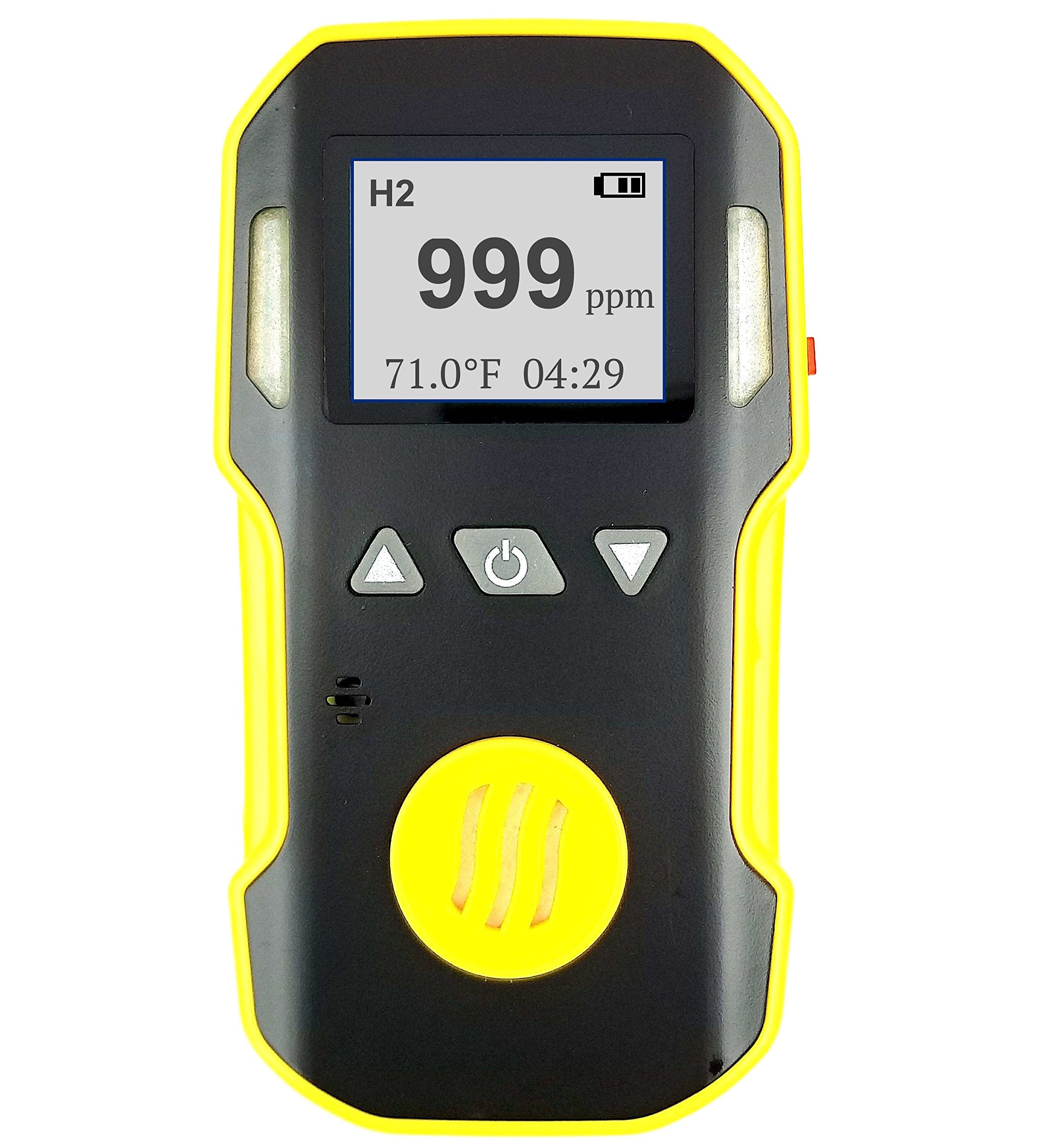
Gas detectors are specifically premeditated to sense the front of harmful gases in a given area. They are wide used in industries such as manufacturing, oil and gas, chemical plants, and minelaying. o2 detector detectors answer several profound functions:
Detecting combustible gases: Preventing fires and explosions in high-risk areas.
Identifying toxic gases: Protecting employees from carbon monoxide, atomic number 1 sulfide, ammonium hydroxid, and other pestilent substances.
Monitoring O levels: Ensuring safe external respiration conditions in confined spaces or poorly aired areas.
Gas detectors come in portable hand-held devices for personal refuge and nonmoving installations for continual readiness monitoring. Advanced detectors can trip alarms, set off ventilation system systems, or even initiate emergency shutdowns when chanceful gas levels are sensed.
Understanding Gas Analyzers
Gas analyzers cater elaborated selective information about the type and concentration of gases present in the . Unlike detectors, which in the first place alert users to risk, analyzers focalise on measurement and verify, qualification them paragon for timber surenes and heavy-duty work optimisation. Key uses admit:
Industrial work control: Ensuring punctilious chemical compositions during production.
Environmental monitoring: Tracking emissions to meet refuge and restrictive standards.
Laboratory explore: Providing exact gas measuring for technological experiments and depth psychology.
Common types of gas analyzers let in infrared analyzers, chemical science analyzers, and mass spectrometers, each trim for specific applications and levels of precision.
Benefits of Using Gas Detectors and Gas Analyzers
Incorporating gas signal detection and depth psychology into a facility provides septuple advantages:
Enhanced refuge: Early signal detection prevents accidents, injuries, and fatalities.
Regulatory submission: Helps organizations meet work refuge laws and situation standards.
Operational : Real-time monitoring improves workflow and reduces .
Cost savings: Prevents to and reduces expenses connected to wellness incidents and product interruptions.
Conclusion
Gas detectors and gas analyzers are requirement tools for maintaining safe, efficient, and willing industrial and workplace environments. They cater indispensable early on warnings of risky conditions while delivering hairsplitting data for work control and monitoring. Investing in these technologies ensures a safer workforce, cleared work efficiency, and long-term tribute against costly accidents.
