
Introduction: Sparkling Challenges in the Jewelry World
Ever wondered why your favorite pendant doesn’t shine as much as it should? Well, that’s the jewelry manufacturer’s headache. In South Africa, we’re seeing a chain reaction—a growing demand for exquisite designs and quality, yet the traditional manufacturing processes can barely keep up. The world of jewelry supplies is vast and intricate, but what if the classic processes we’re used to are holding us back? Imagine if the materials you cherished just didn’t cut the mustard. Here’s a little (and by little, I mean massive) dilemma for you.

Nowadays, customers are savvier and more demanding. It’s not just about the glitter; it’s about craftsmanship, durability, and style. Stick around as we tiptoe through the sparkling corridors of this intricate business.
What Went Wrong? Traditional Jewelry-Making’s Hidden Flaws
In the heart of jewelry manufacturing, traditional techniques are often hailed as hallmark practices. However, they come with their own set of glimmering flaws. When relying on age-old methods, manufacturers face challenges like inconsistent quality and limited production capacity. Even with the finest jewelry supplies, the output often varies—picture crafting art with a blindfold on.
Why So Complicated?
The problem lies in the intricacies of handcrafting and conventional equipment. While everyone admires the personal touch, these methods can’t keep pace with today’s demand. Look, it’s simpler than you think. With the need for edge computing nodes and advanced power converters, sticking strictly to the old ways can be as outdated as last year’s fashion.
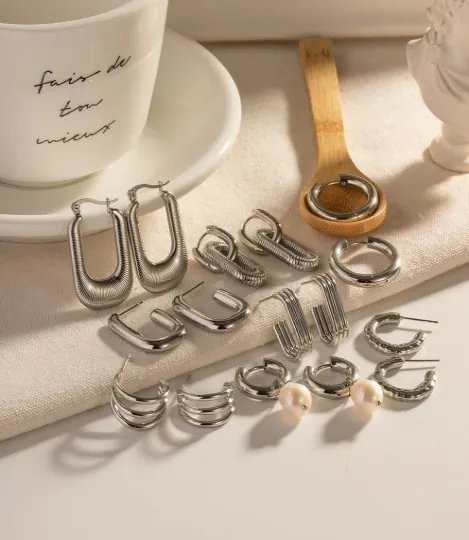
Future Visions: Embracing Innovation in Jewelry Supplies
So, what’s next for the jewelry industry? New technology principles are setting the stage for a sparkling future. By incorporating modern techniques, such as computer-aided design (CAD) and 3D printing, manufacturers can vastly improve the quality and variety of jewelry supplies. Funny how that works, right? These innovations allow for precise and efficient production—leading to less waste and more designs to swoon over.
Real-world Impact: Seeing is Believing
Today, progressive jewelers are already reaping the benefits of blending tradition with technology. Picture a world where every gem fits perfectly in its setting! Quality control has become more rigorous, thanks to real-time design adjustments. In this era, forward-thinking isn’t just a strategy; it’s a necessity.
Okay, so what’s the takeaway here? Evaluative insights show that lesser flaws and increased efficiency are leading to higher customer satisfaction. For those in the industry, three key metrics should guide decision-making: precision of manufacture, material utilization, and innovation adaptability. The journey of reimagining jewelry supplies is an ongoing saga. And as they say in the local lingo, you must vasbyt—hang in there for something brilliant on the horizon. If you’re curious, check out the endless potential with Star Harvest.