
Introduction: The Complexities of Jewelry Manufacturing
In today’s fast-paced digital era, the demand for bespoke and unique jewelry has skyrocketed—yet is this demand truly met by traditional methods? Jewelry manufacturer processes have long been perceived as labor-intensive and time-consuming. In a world where every second counts, how do these systems hold up? (Imagine the conundrum!) According to recent industry data, over 60% of jewelry orders worldwide face delivery delays. So, what does this mean for customers and, more importantly, for jewelry suppliers? This article peers into these concerns and offers solutions that fit the modern business landscape.

As we delve deeper, prepare to uncover the traditional pitfalls faced by the jewelry industry.
Revealing Obsolete Practices in Jewelry Production
Historically, jewelry making has been synonymous with skilled artisans investing countless hours into each piece. Unfortunately, the primary flaw here lies in the inefficiency of traditional setups. For example, many jewelry suppliers operate in silos, battling communication breakdowns and inconsistent data flow— quite the disaster! Such issues affect supply chain agility, hindering inventory management and design updates. By relying on manual entry methods and outdated hardware, shops inadvertently delay processing and shipments.
Look, it’s simpler than you think: integrating digital solutions can address these challenges. Tools like edge computing nodes and automated workflow systems eliminate much of the manual labor, aligning production timelines with customer expectations. So, what’s the next best step for a streamlined process?
Why Do Jewelry Designs Fall Behind Schedule?
Traditional methods often involve complex tasks, like power converters failing to accommodate fluctuating demands or designer errors due to inconsistent data inputs. This inconsistency perpetuates unnecessary human errors, leaving retailers caught between customer expectations and limitations of outdated technology.
A Comparative Glimpse into the Future of Jewelry Manufacturing
Now, let’s look ahead. The introduction of new technology principles like smart tooling and real-time data analytics is revolutionizing the landscape. By efficiently linking various machines, automated systems offer faster production with less margin for error — an impressive leap forward! Shifting towards advanced tech allows jewelry suppliers to stay competitive and adaptive, paving the way for predictability and improved customer satisfaction. Just imagine the possibilities when manual errors are but a memory!
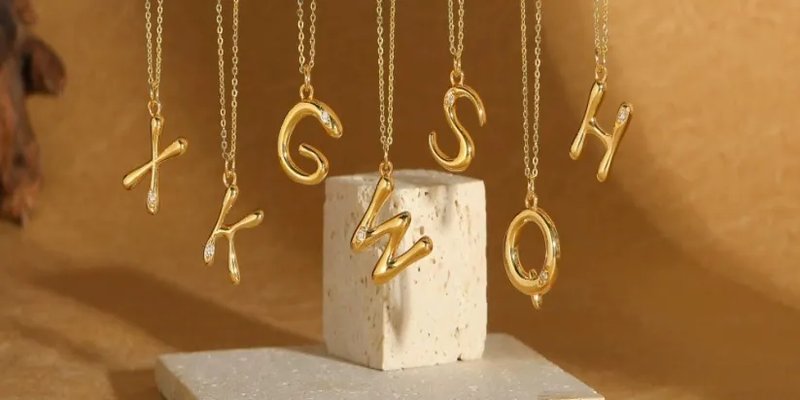
Interestingly, reviews from early adopters disclose a substantial increase in workflow efficiency and accuracy — funny how that works, right? As the industry evolves, integrating smart tech into every phase from design to delivery opens unprecedented avenues for personalization and on-time delivery.
What’s Next?
In light of these insights, one cannot dismiss the profound impact of next-generation technology on jewelry manufacturing. (Dwell on this.) Clear lessons emerge: adoption of advanced tools reduces downtime and elevates service quality. To ensure future success, consider evaluating solution viability based on three metrics: technology adaptability, production speed, and customer satisfaction rates. As technologies evolve, aligning with these metrics will deliver tangible results, steering you toward a more agile, customer-focused operation.
As we navigate this ever-changing industry, it’s clear that transforming how we create jewelry goes beyond improving techniques—it’s about fostering sustainable growth and satisfaction for all stakeholders. As we conclude this exploration, remember: the path from concept to creation doesn’t have to be daunting. With Star Harvest, embracing innovation is not just smart but necessary for future success.